
The Art of Making Traditional Italian Pizza Dough
Pizza is one of the most loved foods in the world, but not all pizza is created the same. The real difference between an average pizza and an unforgettable one comes down to a single element, the dough. At Amedeo Italian Restaurant, every pizza begins with carefully crafted traditional Italian pizza dough that reflects authenticity, quality, and passion.
Many people focus only on toppings or cheese, but experienced chefs understand that dough is the true foundation of great pizza. Without properly prepared dough, even the best ingredients cannot deliver the same flavor or texture. That is why mastering traditional Italian pizza dough is considered an art.

Understanding Traditional Italian Pizza Dough
Traditional Italian pizza dough is built on simplicity. It does not rely on complicated ingredients or artificial enhancements. Instead, it focuses on a perfect balance of four essential components:
- Flour
- Water
- Yeast
- Salt
These simple ingredients work together to create something exceptional when handled with care and precision. At Amedeo Italian Restaurant, this balance is respected in every batch of dough that is prepared daily.
The goal is not just to make dough, but to create a base that is light, flavorful, and easy to digest. Authentic Italian dough should never feel heavy or overly processed. Instead, it should enhance the entire pizza experience.
Why Simplicity Creates Perfection
One of the biggest misconceptions about pizza is that more ingredients lead to better results. In reality, traditional Italian methods prove the opposite. Keeping the ingredient list simple allows each element to perform its role perfectly.
Flour provides structure. Water activates the flour and creates the dough. Yeast allows fermentation and rising. Salt enhances flavor and strengthens the dough.
At Amedeo Italian Restaurant, this philosophy is followed strictly. There is no need for artificial additives or shortcuts when the basics are done correctly.
The Role of Flour in Authentic Dough
Flour is the backbone of any pizza dough. In traditional Italian recipes, finely milled flour is used to achieve the perfect texture. This type of flour allows the dough to stretch easily while maintaining its strength.
The quality of flour directly affects the final result. Low-quality flour can lead to dense or dry crust, while premium flour creates a soft and airy base. At Amedeo Italian Restaurant, only high-quality flour is selected to ensure consistency in every pizza served.
Another important factor is protein content. Flour with the right protein level helps develop gluten, which is responsible for elasticity. This allows the dough to hold its shape while remaining light.
Water and Hydration Balance
Water may seem simple, but it plays a critical role in dough preparation. The amount of water used determines the hydration level of the dough. Proper hydration ensures that the dough remains soft and workable.
Too little water can make the dough stiff and difficult to stretch. Too much water can make it sticky and hard to manage. Achieving the right balance requires experience and precision.
At Amedeo Italian Restaurant, hydration levels are carefully controlled to produce dough that is smooth, elastic, and perfect for baking.
Yeast and the Power of Fermentation
Yeast is what brings the dough to life. It feeds on sugars in the flour and produces gas, which causes the dough to rise. This process also develops flavor.
One of the key secrets of traditional Italian pizza dough is slow fermentation. Instead of rushing the process, the dough is allowed to rest and develop over time. This creates a deeper flavor and better texture.
At Amedeo Italian Restaurant, dough is given the time it needs to mature properly. This commitment to quality is one of the reasons why the final product stands out.
Salt and Dough Structure
Salt is often underestimated, but it plays an important role in dough preparation. It enhances flavor and strengthens the gluten structure, making the dough more stable.
It also helps control yeast activity. Without salt, fermentation can become too fast and unpredictable. By adding the right amount of salt, chefs can maintain consistency and balance.
At Amedeo Italian Restaurant, every ingredient is measured carefully to ensure perfect results.
Why Time Matters in Pizza Dough
Time is one of the most important factors in creating authentic pizza dough. Fast preparation methods may save time, but they cannot deliver the same quality.
Traditional Italian dough is often fermented for 24 to 48 hours. This slow process allows flavors to develop fully and improves digestibility.
When dough is rushed, it tends to taste flat and feel heavy. Slow fermentation, on the other hand, creates a light and airy texture that enhances every bite.
At Amedeo Italian Restaurant, time is treated as an essential ingredient. The dough is never rushed, ensuring that every pizza meets the highest standards.
The Dough-Making Process
Creating traditional Italian pizza dough involves several important steps.
Mixing the Ingredients
The process begins by combining flour, water, yeast, and salt. The goal is to form a soft and slightly sticky dough.
Kneading
Kneading develops gluten, which gives the dough its elasticity. Proper kneading ensures that the dough can stretch without tearing.
First Fermentation
The dough is left to rest and rise. During this stage, yeast begins fermentation and creates air pockets.
Dividing and Shaping
After the initial rise, the dough is divided into smaller portions and shaped into balls.
Second Fermentation
The dough balls are left to rest again. This step improves texture and flavor.
At Amedeo Italian Restaurant, each of these steps is handled with precision and care.
Temperature and Its Impact
Temperature plays a significant role in dough development. Warmer temperatures speed up fermentation, while cooler temperatures slow it down.
Controlling temperature allows chefs to manage the fermentation process more effectively. This ensures consistent results every time.
The Importance of Texture
Texture is what separates great pizza from average pizza. Traditional Italian pizza dough should have a light and airy interior with a slightly crisp exterior.
The crust should be flexible and easy to fold without breaking. If the dough is too dense or chewy, it indicates that something went wrong during preparation.
Avoiding Common Mistakes
Even small mistakes can affect the quality of pizza dough. Some common issues include:
- Using too much yeast
- Skipping fermentation time
- Overworking the dough
- Using low-quality ingredients
- Baking at incorrect temperatures
Avoiding these mistakes is essential for achieving authentic results.
Why Authentic Methods Matter
Modern shortcuts may save time, but they often compromise quality. Pre-made dough and quick fermentation methods cannot match the flavor of traditional techniques.
At Amedeo Italian Restaurant, authenticity is never compromised. Every pizza is made using methods that reflect true Italian tradition.
This commitment to quality is what makes the experience unique and memorable.
The Experience Behind Every Slice
Pizza is more than just food. It is an experience that combines flavor, texture, and craftsmanship.
At Amedeo Italian Restaurant, every step of the process is designed to deliver the best possible result. From selecting ingredients to preparing dough, attention to detail is maintained at every stage.
This dedication ensures that every slice meets the expectations of true pizza lovers.
Building a Connection with Authentic Italian Flavor
Understanding the art of traditional Italian pizza dough allows you to appreciate the effort behind every bite. It is not just about cooking; it is about preserving a tradition.
At Amedeo Italian Restaurant, this tradition is brought to life every day through carefully prepared dishes and authentic techniques.
Advanced Techniques Behind Traditional Italian Pizza Dough
Once the fundamentals of traditional Italian pizza dough are understood, the next level is mastering advanced techniques. This is where professional quality dough truly differs from basic preparation.
At this stage, the focus shifts from ingredients to precision, control, and process management. Small adjustments in technique can significantly change texture, flavor, and baking performance.
Understanding Gluten Development in Depth
Gluten forms the structure of pizza dough. It develops during mixing and kneading when proteins in flour combine with water.
Proper gluten development creates a dough that is elastic yet soft. If gluten is weak, the dough tears easily. If it is too strong, the dough becomes tight and hard to stretch.
Professional dough aims for balance where the structure holds shape but still stretches smoothly without resistance.
Controlled Fermentation for Better Flavor
Fermentation is one of the most important scientific processes in pizza dough preparation. It is not just about rising, but about flavor development.
During fermentation, enzymes break down starches into sugars. This process naturally enhances taste and aroma.
Slow fermentation produces a deeper flavor compared to fast methods. It also improves digestibility and creates a lighter eating experience.
Cold Fermentation Technique
Cold fermentation is a professional method used to improve dough quality. The dough is stored at low temperature for an extended period.
This slows yeast activity and allows flavors to develop gradually.
Cold fermentation improves:
- Flavor depth
- Texture consistency
- Dough structure
- Digestibility
It is widely used in professional pizza kitchens because it produces more stable and flavorful dough.
Elasticity and Stretch Control
Elasticity determines how easily dough stretches without breaking. It is one of the most important properties in pizza making.
If the dough shrinks back during stretching, the elasticity is too strong. If it tears easily, it is too weak.
Elasticity is controlled through:
- Resting time
- Fermentation level
- Hydration balance
- Kneading intensity
Proper elasticity ensures even pizza bases with consistent thickness.
Precision in Hydration
Hydration refers to the amount of water in relation to flour. It plays a key role in dough texture.
Higher hydration results in a softer and airier crust. Lower hydration creates a denser and firmer structure.
Professional preparation requires adjusting hydration based on flour type, temperature, and fermentation time.
Small changes in hydration can significantly affect final baking results.
Dough Maturity and Development
Dough maturity refers to how well the dough has developed before baking.
Undermature dough feels tight and lacks flavor. Overmature dough becomes weak and collapses easily.
The ideal dough is fully developed, easy to handle, and stable during baking.
Maturity is achieved through proper fermentation timing and controlled resting stages.
Importance of Dough Handling
Even well-prepared dough can be damaged by improper handling. Gentle treatment is essential to preserve structure.
Rough handling removes air pockets created during fermentation, resulting in a dense texture.
Proper handling includes:
- Gentle stretching instead of rolling
- Minimal pressure during shaping
- Maintaining air structure
- Avoiding repeated kneading
This ensures the dough remains light and airy.
Resting and Relaxation Phases
Resting allows dough to relax after kneading and fermentation. Without proper resting, dough becomes tight and difficult to shape.
Resting also distributes moisture evenly and improves elasticity.
Professional preparation often includes multiple resting phases to ensure optimal dough behavior before baking.
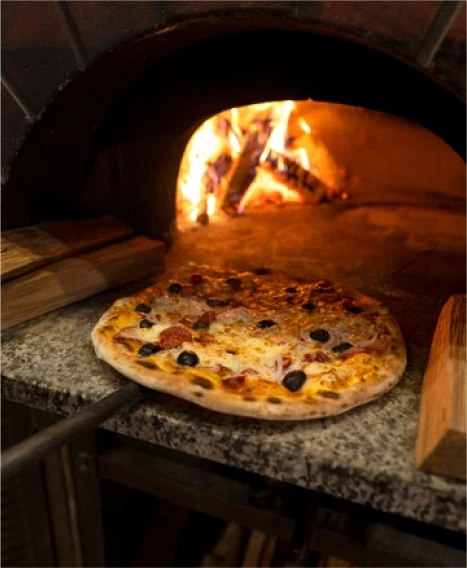
High Temperature Baking Process
Baking is where dough transforms into pizza. High temperature plays a crucial role in texture development.
High heat causes rapid expansion inside the dough, creating air pockets and a light structure.
It also creates a crisp outer layer while keeping the inside soft and airy.
This contrast is what defines traditional style pizza texture.
Role of Oven Type
Different ovens produce different results in pizza baking.
Wood fired ovens are preferred because they provide:
- Very high heat
- Fast cooking time
- Slight smoky flavor
- Even crust development
Conventional ovens can still produce good results but require careful temperature control.
Consistency in Dough Preparation
Consistency is essential in professional pizza making. Small variations in process can lead to different results.
To maintain consistency, professionals control:
- Ingredient measurements
- Fermentation timing
- Temperature conditions
- Mixing technique
Consistency ensures every pizza has the same quality and texture.
Technique Over Ingredients
While ingredients are important, technique has a greater impact on final quality.
The same ingredients can produce completely different results depending on:
- Fermentation control
- Hydration accuracy
- Dough handling method
- Baking temperature
This is why pizza making is considered both an art and a science.
Final Understanding of Dough Mastery
Mastering traditional pizza dough requires patience and precision. It is not just a recipe but a controlled process that improves with experience.
Each stage, from mixing to baking, contributes to the final result.
When done correctly, the dough becomes light, flavorful, and perfectly structured, forming the foundation of an authentic pizza experience.