
Two Styles, Two Completely Different Experiences
Pizza may look simple, but one decision changes everything. The crust you choose shapes the entire experience.
Some people prefer a light, crisp bite that feels effortless. Others enjoy a thicker, more filling base that turns pizza into a full meal. Neither option is wrong. They simply offer different experiences.
This is why the debate around thin crust vs thick crust pizza continues. It is not about which one is better overall. It is about which one fits your taste, your mood, and the moment.
The First Bite Tells You Everything
You can understand the difference immediately.
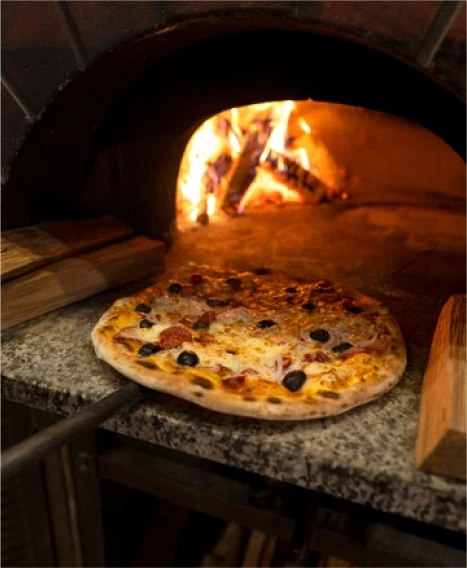
A thin crust gives a slight crisp when you bite into it. It feels light, almost delicate, and allows the toppings to stand out. Each ingredient becomes more noticeable because the base does not compete.
A thick crust, on the other hand, feels more substantial. The bite is softer, heavier, and more filling. The dough becomes part of the flavor instead of just supporting it.
This contrast is what defines pizza crust differences. It is not just texture. It is how the entire pizza is experienced.
Thin Crust and the Focus on Flavor
Thin-crust pizza is often associated with traditional Italian style. The goal is not to overload the pizza but to highlight balance.
Because the base is lighter, the sauce, cheese, and toppings take the lead. Each flavor becomes clearer and more distinct.
This is why many people searching for thin-crust pizza in Las Vegas prefer it when they want something that feels refined and easy to eat.
Thin crust also works well for those who enjoy eating multiple slices without feeling too full. It satisfies without becoming heavy.
Thick Crust and the Comfort Factor
Thick-crust pizza creates a different kind of satisfaction.
It feels rich, warm, and filling. The dough itself becomes a major part of the experience. Instead of simply holding toppings, it adds its own texture and flavor.
For people who want something more substantial, a thick crust becomes the preferred choice. It turns pizza into a complete meal rather than a light option.
This is why many consider thick crust when they want comfort food that feels more indulgent.
How Texture Changes the Experience
Texture plays a bigger role than most people expect.
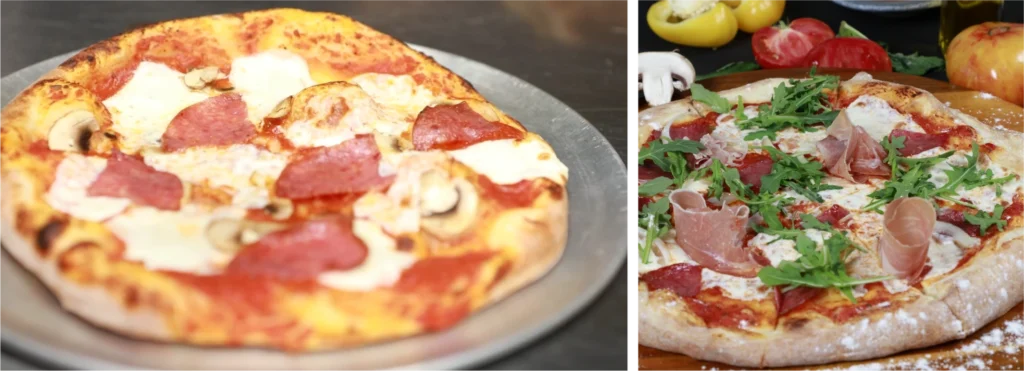
Thin crust offers contrast. It can be slightly crisp on the outside while remaining soft underneath. Each bite feels structured but light.
Thick crust creates uniformity. It feels soft and dense, with a consistent texture throughout. This can feel more satisfying for those who enjoy a heavier bite.
When comparing the best pizza crust type, texture often becomes the deciding factor rather than flavor alone.
Toppings and Crust Compatibility
Not every topping works equally well with both crust types.
Thin crust pairs better with lighter toppings. Fresh vegetables, simple cheeses, and balanced sauces work best because they do not overwhelm the base.
Thick crust can handle heavier toppings. Meats, extra cheese, and rich sauces sit well on a stronger base.
Choosing the right combination ensures that the pizza feels balanced instead of overloaded.
Which One Is Better for Delivery
Delivery changes how pizza behaves.
Thin crust tends to hold its structure well if prepared correctly. It stays light and does not become too dense during transport.
Thick crust can sometimes absorb moisture, which may affect texture. However, when done properly, it still delivers a satisfying experience.
This is why many people consider crust type carefully when ordering thin crust vs thick crust pizza for delivery.
Portion and Satisfaction
Portion size feels different depending on the crust.
Thin crust allows you to eat more slices without feeling heavy. It works well for sharing or for those who prefer lighter meals.
Thick crust fills you faster. Fewer slices are needed to feel satisfied, which makes it a good option for bigger appetites.
Understanding this difference helps in choosing the right option for each situation.
Why Preference Changes With Mood
People often think they have a fixed preference, but it actually changes.
On some days, a light and crispy pizza feels perfect. On others, a warm and filling thick crust feels more satisfying.
This is why the question is not just about thin crust vs thick crust pizza. It is about what you feel like eating at that moment.
The Italian Approach to Crust
Traditional Italian pizza focuses more on a thin crust. The emphasis is on balance, simplicity, and natural flavor.
The crust supports the toppings without dominating them. This creates a lighter and more refined experience.
However, modern variations have introduced thicker crust styles to suit different preferences. Both approaches have their place.
Finding the Right Balance
The best choice often comes down to balance.
If you want something light, flavorful, and easy to enjoy, a thin crust is the better option. If you want something filling and rich, a thick crust becomes more suitable.
Understanding your preference helps you enjoy pizza in the way it was meant to be enjoyed.
Where Quality Makes the Real Difference
Crust type matters, but quality matters more.
A poorly made thin crust feels dry. A poorly made thick crust feels heavy. The difference comes from how the dough is prepared and how the pizza is baked.
This is where experience and attention to detail become important.
Where Both Styles Feel Complete
Choosing between thin and thick crust becomes easier when both are prepared properly.
At Amedeo Italian Restaurant, the focus stays on balance, whether the crust is light and crisp or slightly more filling. The dough is handled carefully, the ingredients stay fresh, and every pizza is built to feel complete rather than overloaded.
From classic thin-crust options that highlight authentic Italian flavor to more satisfying combinations that offer a richer bite, the menu gives customers the flexibility to choose what fits their mood.
With a variety of pizzas, pasta dishes, and family-friendly options, the experience goes beyond just crust preference. It becomes about enjoying food that is prepared with consistency, quality, and attention to detail, making every order feel satisfying from the first bite to the last.