
Pizza is one of the most popular foods in the world, but not all pizzas taste the same. The cooking method plays a major role in shaping flavor, texture, and overall experience. Two of the most common styles are wood-fired pizza and regular oven pizza.
Both styles have loyal fans. However, they create very different results in taste and structure. Understanding these differences helps you decide which one truly suits your preference.
This guide breaks down the key factors that separate wood-fired pizza from regular pizza, including cooking method, flavor development, texture, and overall eating experience.
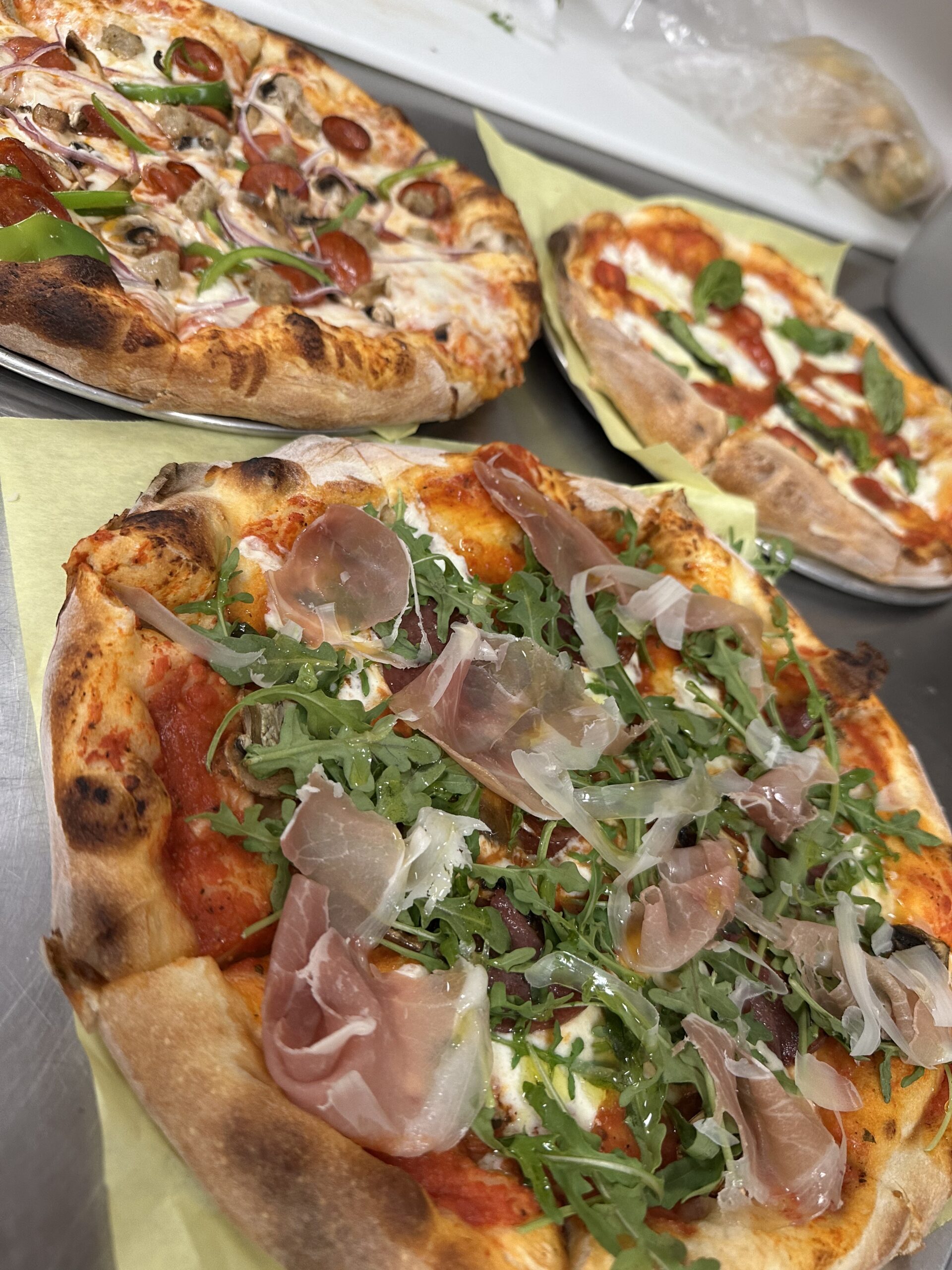
What Is Wood-Fired Pizza?
Wood-fired pizza is cooked in a traditional oven fueled by burning wood. The oven reaches extremely high temperatures, often between 400 and 500 degrees Celsius. This intense heat cooks the pizza very quickly, usually within one to two minutes.
The wood fire creates a unique cooking environment. Heat surrounds the pizza from all sides, while flames and smoke add extra flavor. This method is widely used in traditional Italian pizza making because it produces a distinct taste and texture.
The high temperature and short cooking time are key reasons why wood-fired pizza has a signature style that is difficult to replicate.
What Is Regular Pizza?
Regular pizza is typically cooked in an electric or gas oven. These ovens are commonly used in homes, fast food outlets, and many restaurants.
Unlike wood-fired ovens, regular ovens cook pizza at lower and more controlled temperatures. The cooking process usually takes longer, often between 10 and 15 minutes, depending on thickness and toppings.
Because the heat is more stable and less intense, regular pizza develops a different texture. It tends to be more uniform but less smoky in flavor.
Cooking Temperature Difference
Temperature is one of the biggest differences between these two pizza styles.
Wood-fired ovens operate at extremely high heat. This allows the dough to cook rapidly, creating a crisp exterior while keeping the inside soft and airy.
Regular ovens use moderate heat. As a result, the cooking process is slower and more even. This helps cook toppings thoroughly but does not create the same level of char or crispness.
The difference in temperature directly impacts taste, texture, and aroma.
Flavor Development in Wood-Fired Pizza
Wood-fired pizza is known for its rich and smoky flavor. The burning wood releases natural smoke that slightly infuses into the dough and toppings.
This adds depth to the taste without needing extra ingredients. The high heat also caramelizes the dough quickly, enhancing its natural flavor.
Many people prefer wood-fired pizza because it feels more rustic and authentic. The slight char on the crust adds complexity and a slightly earthy taste that stands out.
Flavor Profile of Regular Pizza
Regular pizza focuses more on consistency than smoky depth. Since it is cooked in a controlled environment, the flavor is cleaner and more predictable.
Toppings tend to stand out more clearly because there is no smoky influence. The sauce, cheese, and toppings remain the main focus.
This style is often preferred by people who enjoy balanced flavors without strong char or smokiness.
Texture Comparison
Texture is another major difference between the two styles.
Wood-fired pizza typically has:
- Crispy edges
- Light and airy interior
- Slight char on crust
- Soft center with bubbles
The fast cooking process creates uneven heat distribution, which produces a more rustic texture.
Regular pizza usually has:
- Even crust thickness
- Soft and uniform base
- Less charring
- Slightly denser structure
Because it cooks slowly, the dough rises evenly and creates a consistent bite.
Cooking Speed and Efficiency
Wood-fired pizza cooks very quickly. In many cases, it is ready in under two minutes. This speed is due to the extreme temperature of the oven.
Regular pizza takes significantly longer. The lower heat requires more time to fully cook the dough and melt the cheese properly.
The faster cooking time of wood-fired pizza also helps preserve the freshness of ingredients, especially herbs and delicate toppings.
Ingredient Behavior in Both Styles
Ingredients react differently depending on the cooking method.
In wood-fired pizza:
- Cheese melts quickly and bubbles slightly
- Vegetables get slight charring
- Dough rises rapidly
In regular pizza:
- Cheese melts evenly
- Vegetables stay softer
- Dough rises slowly and uniformly
These differences influence overall taste and texture in every bite.
Authentic Italian Preference
In traditional Italian cuisine, wood-fired pizza is often considered more authentic. This is because it follows older cooking methods used in Italy for centuries.
The combination of high heat and wood smoke creates a flavor profile that is closely associated with traditional Italian pizza culture.
However, this does not mean regular pizza is less valuable. It simply represents a more modern and accessible cooking method.
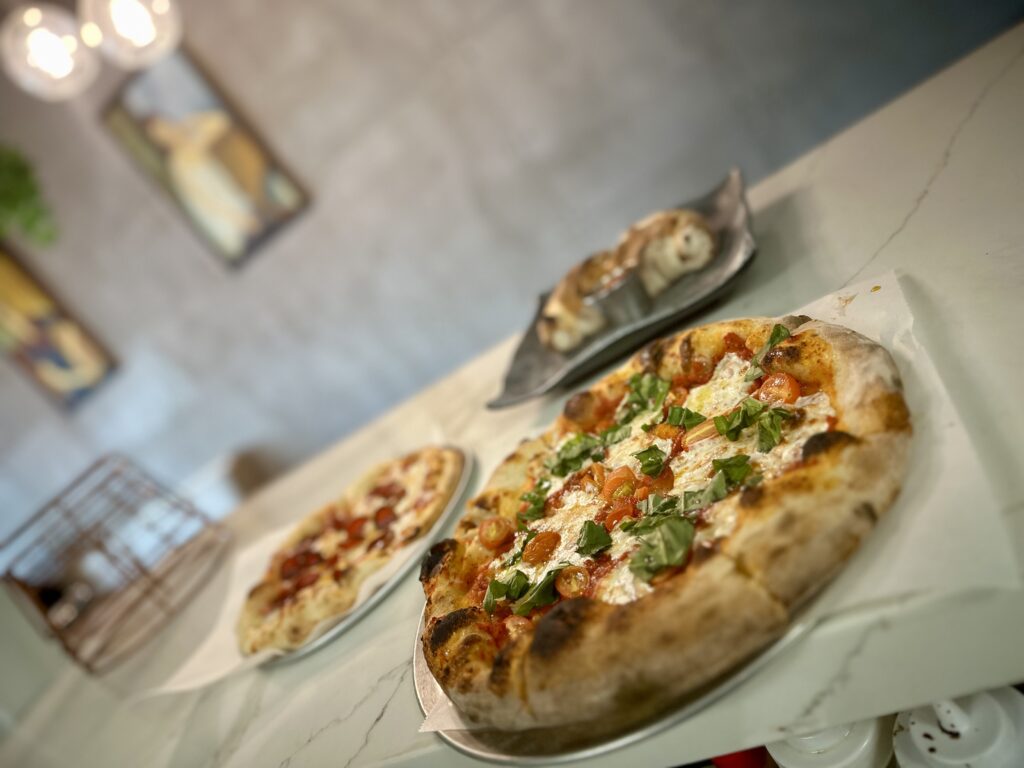
Which One Tastes Better?
Taste is subjective, so the answer depends on personal preference.
Wood-fired pizza is preferred by people who enjoy:
- Smoky flavor
- Crispy crust
- Rustic texture
- Traditional cooking style
Regular pizza is preferred by people who enjoy:
- Mild and balanced flavor
- Soft and uniform texture
- Consistent cooking results
- Cleaner taste profile
Both styles offer unique experiences, and neither is objectively better for everyone.
Where Quality Makes the Difference
Regardless of cooking method, quality ingredients play a major role in the final taste. Fresh dough, high-quality cheese, and fresh toppings improve both styles significantly.
Even a regular pizza can taste excellent when made with care and attention. Similarly, a wood-fired pizza can lose quality if ingredients are not fresh or balanced.
Conclusion
Wood-fired pizza and regular pizza each offer distinct experiences. One focuses on tradition, smoke, and fast cooking, while the other focuses on consistency and control.
Choosing between them depends on what kind of flavor experience you enjoy more. If you prefer bold and rustic taste, wood-fired pizza is ideal. If you prefer smooth and balanced flavors, regular pizza works better.
Both styles continue to shape modern pizza culture and remain popular worldwide, especially in Italian-inspired restaurants where quality and technique define every dish.